A platform for Larkspur
Six priorities. Each one a real problem with a real plan.
Local government isn’t about ideology, it’s about getting things done that make residents’ lives better. What follows are six areas where I’ll focus my energy on City Council, the specific things I’ll push for, and the trade-offs I’m willing to accept.
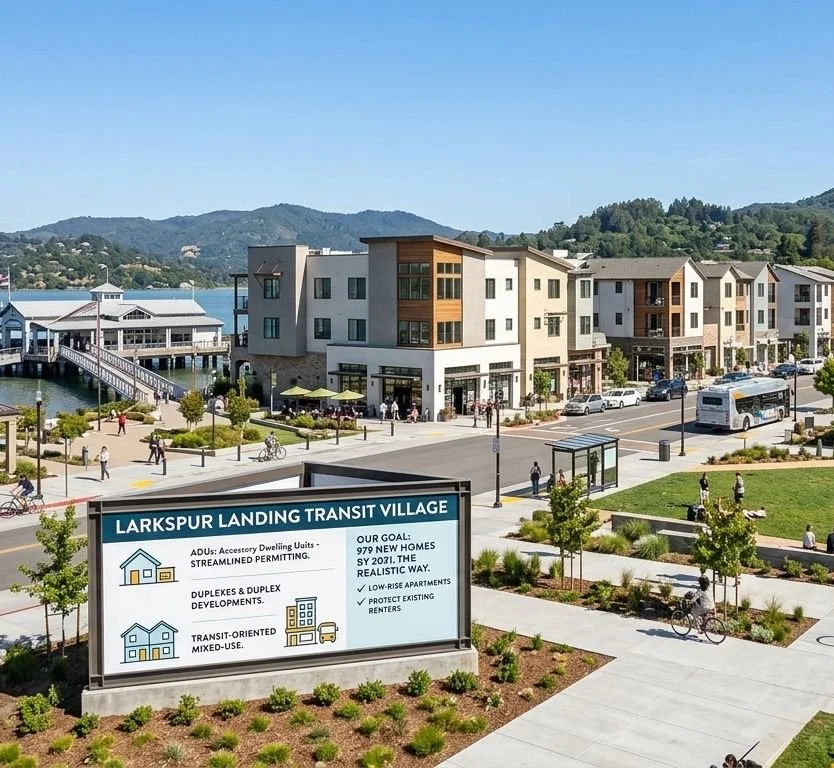
Two stories dominate Marin’s housing politics, and both are dishonest. 1: Larkspur/Central Marin is full (we’re not: we have underused commercial land, aging strip-malls, and hundreds of lots ready for ADUs). 2. The only answer is high-rises (it isn’t: the math works for low-rise multifamily, duplexes, ADUs, and transit-oriented mixed-use).
What is true is that Larkspur must plan for 979 new homes by 2031. That is mandated by state law, and if we don’t do it, the state will strip Larkspur of local control.
The important questions are where, what, and how good will this new housing be? My plan makes Larkspur Landing the anchor, normalizes low-rise apartments on appropriate parcels, streamlines ADU permitting, and protects existing renters.
Build where transit already exists: Larkspur Landing is the ideal location for increased density
Normalize low-rise apartment buildings (two-story four-plexes, six-to-eight-unit buildings, etc.)
Make ADUs easy: demand streamlined, inspector-friendly permitting from City Hall
Protect existing residents: Larkspur must have anti-displacement, fair notice, and just-cause protections for tenants
1. Housing that fits Larkspur

There are two mindsets a city can have. 1: a service mindset asks how to make it easier for residents trying to get something done; or 2: a process mindset asks how to make sure every internal step is followed. Larkspur’s staff is talented — but a process mindset is crowding out a service mindset, and Larkspur residents pay with their hours. As everyone knows, time is money. Fixing the mindset is the first and cheapest way to make Larkspur more affordable.
Service over process on every front-line function
Publish service-level targets; report performance quarterly
Over-the-counter / online permitting for routine work
Penalties grounded in reality: proportional to actual harm, not to what an actuarial table allows
Aggressive grants pursuit — leverage AI to compete for state and federal dollars
Protect the library, parks, and community programs that make Larkspur, Larkspur
2. A responsive City Hall, built for cost savings
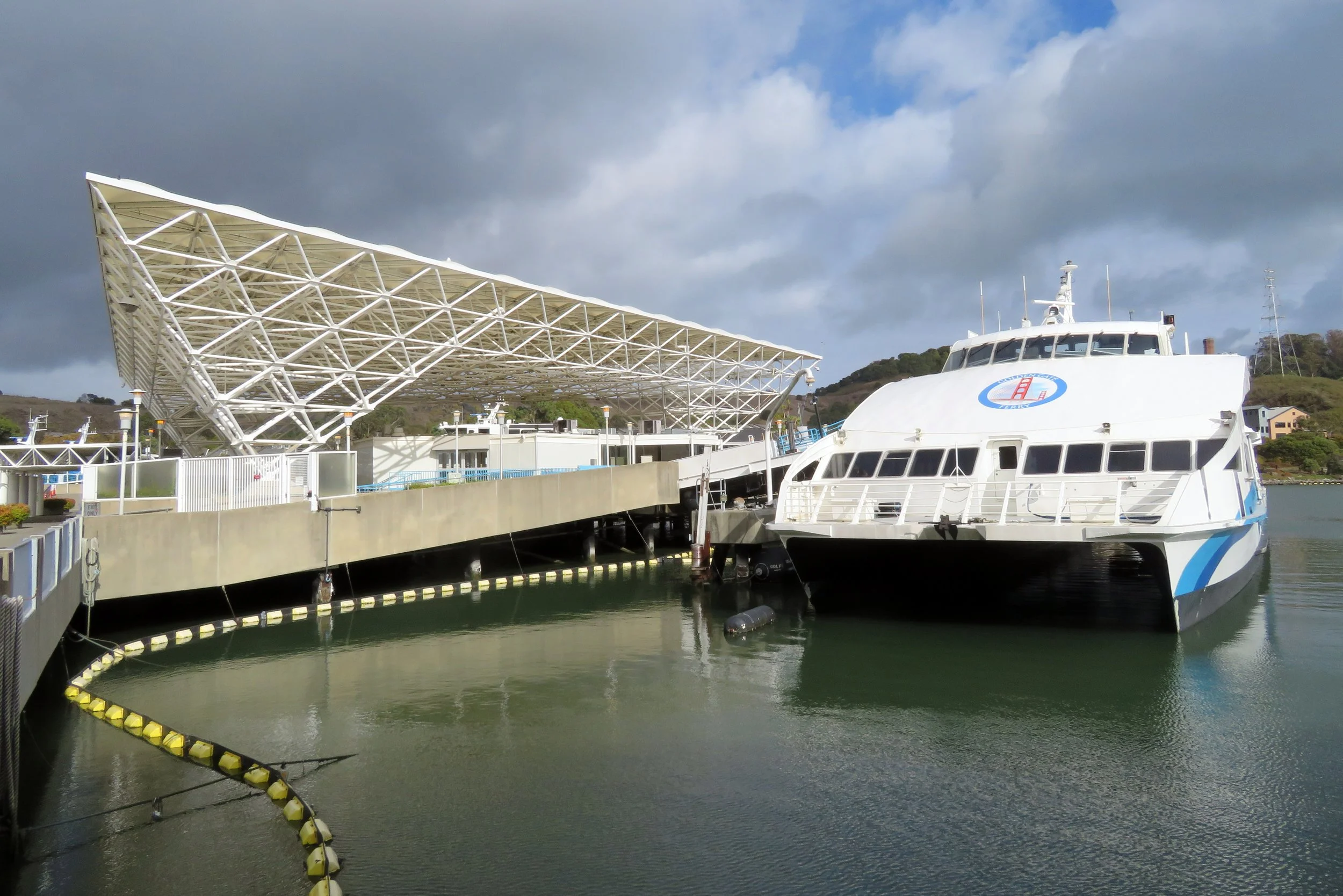
Regional boards — MCE (electricity), SMART and Golden Gate Ferry (transit), TAM, MMWD (water), MWPA (wildfire), BAAQMD, ABAG, MTC — run things that actually land on every Larkspur utility bill and driveway. A council member spends a meaningful share of their time representing us on them, and the lens I’ll bring to every vote is simple: lower costs through sound management, and protect the environmental goals we share with our neighbors.
Show up and do the work: volunteer for the assignments that matter most
Lower costs, protect shared values on every regional vote
Double down on MCE (formerly Marin Clean Energy): defend its mission, push for more clean power at competitive rates
Push SMART and the ferry to work for real commuters
Report back: a plain-English update after every significant regional meeting
3. Championing Larkspur values on regional boards
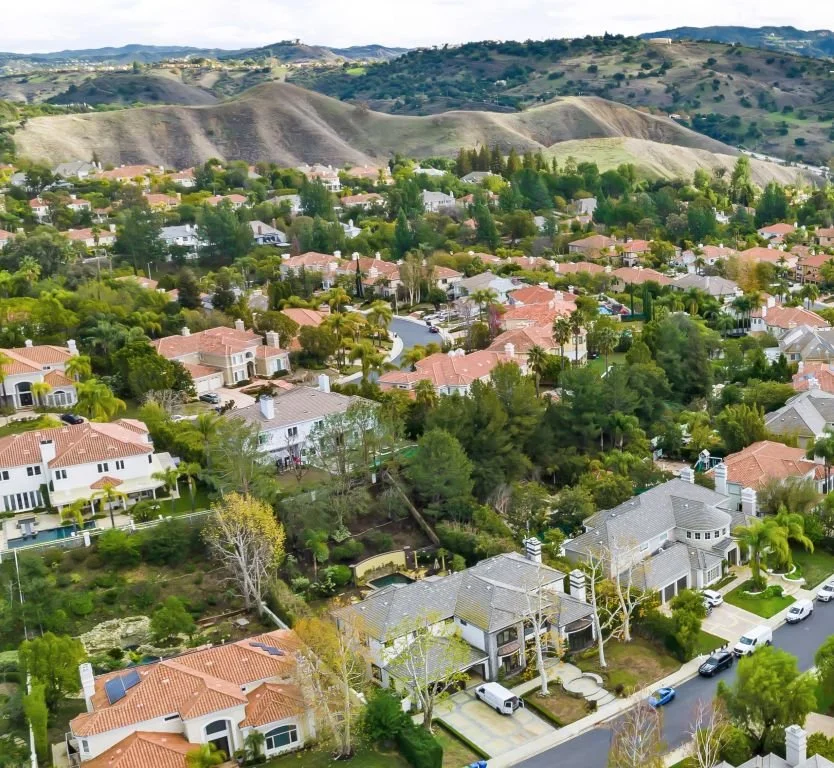
Half of Larkspur sits in a State Responsibility Area or a Very High Fire Hazard Severity Zone. Palm Hill, Baltimore Canyon, Madrone Canyon. A 2017 or 2020 Sonoma County-type fire event here would be catastrophic. Resilience is a local-government problem that cannot be deferred, and lowering our collective wildfire risk is also how we bring down home insurance rates.
Evacuation planning you can see: Larkspur should have a neighborhood-by-neighborhood readiness dashboard
Vegetation management with public, accountable annual targets
Home-hardening incentives (vents, eaves, decks, roofs): if done right, this can lead to insurance savings for the whole town
A funded, staged sea-level-rise plan for Corte Madera Creek and the ferry terminal
4. Wildfire and climate resilience
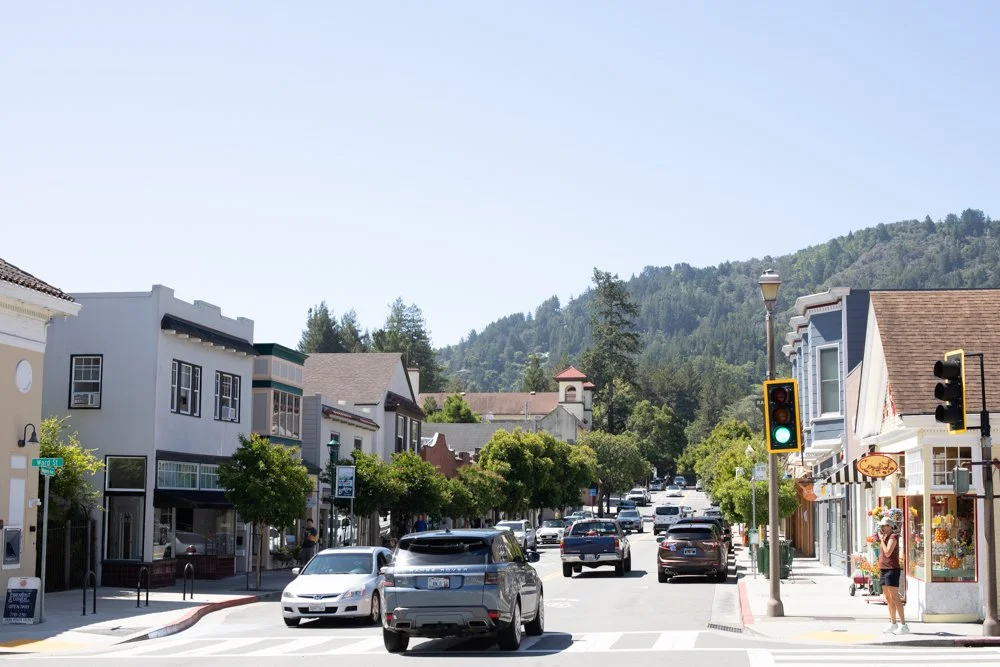
Traffic on 101, Magnolia, and Sir Francis Drake is our most-complained-about issue. It affects downtown, schools, and every family’s daily life. Our most dangerous conditions for pedestrians and bikes are on the streets our kids use to get to school. We need data-driven fixes, not more studies that exist to avoid decisions.
Safe Routes to School, actually funded: protected paths, raised crosswalks, and daylighted intersections
Get more out of SMART and the ferry: integrate schedules and improve terminal access
A livelier, easier downtown: predictable parking, supportive small-business permitting, active programming
Modern traffic engineering on Magnolia, Bon Air, Doherty, and Sir Francis Drake
5. A Larkspur you can actually move through
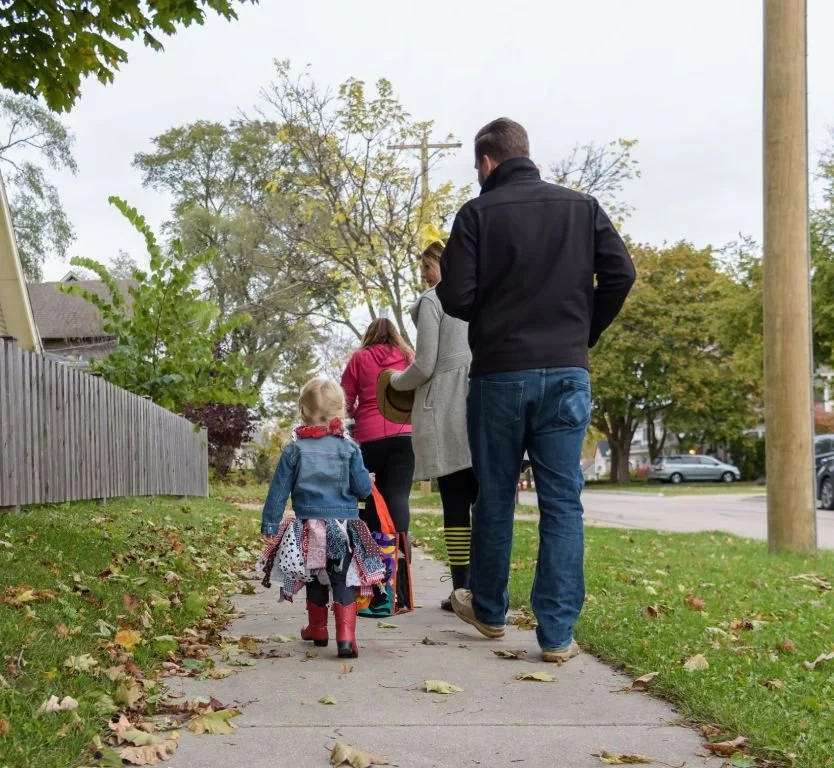
Moving to a new community, or welcoming a new child, changes everything all at once. It can be isolating, and it is also one of the best opportunities a town like Larkspur has to turn a stranger or an exhausted new parent into a neighbor and a friend. A town’s welcome is a choice, and the version that actually builds community costs almost nothing. We just have to decide to do it.
A credible, current childcare directory: this is a low effort, high impact solution for new parents that should have existed years ago
Reach out to new residents proactively: we’re a town of roughly 13,000 people, which means we have roughly one new family move into Larkspur every day. How much would it mean to get a personal welcome to their new hometown?
Build the connective tissue for new parents: let’s facilitate meet-ups, playgroups, and welcome events by providing support for those already doing it
Design public spaces with young families in mind: Larkspur should complete a 'young-family audit' with a real working list
Partner with our schools on safe routes, after-school programming, and shared-use of fields and other public facilities